
VIP member
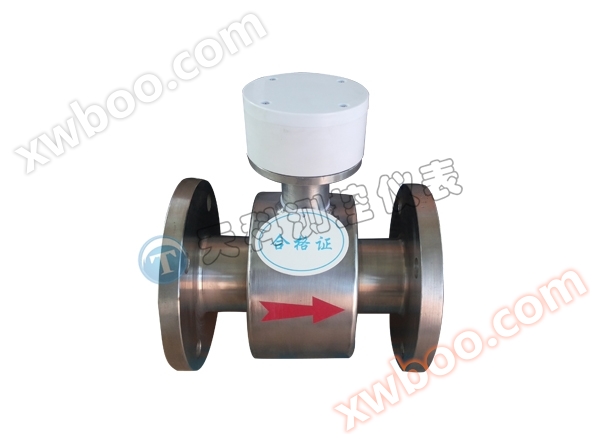
Split stainless steel electromagnetic flowmeter
1. The flowmeter must be grounded
Product details
1. The flowmeter must be grounded. The converter and sensor of the flowmeter must be grounded and maintained at the same ground potential as the pipeline potential. For plastic or insulated lined pipelines, grounding rings or electrodes must be installed to achieve fluid grounding;
2. Correctly connect the corresponding wiring terminals and provide power according to the different power supply requirements of the flowmeter to avoid strong current burning out the flowmeter; Control the pressure in the pipeline to ensure that the medium is uniform, so as not to affect the normal display of flow rate;
3. When installing horizontally, the electrode axis should be parallel to the horizon, not perpendicular to it, because the electrode at the bottom is easily covered by sediment, and the electrode at the top is easily wiped over by occasional bubbles in the liquid, causing fluctuations in the output signal;
4. For solid-liquid two-phase fluids, vertical installation is preferred to ensure even wear of the sensor lining and extend its service life.
Maintenance requirements for sewage flow meters
1. Take protective measures such as rain, dust, and sun protection for the flowmeter;
2. The maintenance cycle for flow meters is generally six months. During maintenance and cleaning, it is necessary to check whether the sensor lining material is damaged, whether the electrodes are damaged or covered by sediment, and clean them thoroughly;
3. The flowmeter has been calibrated before leaving the factory, and it is not recommended for non-technical personnel to modify the instrument parameters;
4. When the flowmeter is not in use, the sensor lining should be cleaned, a protective cover should be added to the outside of the flowmeter to prevent dust and dirt from entering, and then stored in a dry place.
Online inquiry
-
Contacts
-
Company
-
Telephone
-
Email
-
WeChat
-
Verification Code
-
Message Content
-